

As an Amazon Associate, I earn from qualifying purchases. Prices and availability are accurate as of the publish date below and are subject to change — always check Amazon for current pricing before buying.
Published: 17/09/2026
If you’ve got a stack of old Pokemon cards and no idea what any of them are worth, you’re not alone — this is one of the most common questions in the entire hobby. Here’s exactly how to check Pokemon card value accurately, step by step, without guessing or relying on outdated numbers.
Quick Overview
- Identify the card correctly (name, set, and number)
- Understand what actually drives value
- Check condition honestly before pricing
- Use the right tools — and cross-reference more than one
- Know when a card is worth professional grading
Step 1: Identify Your Card Accurately
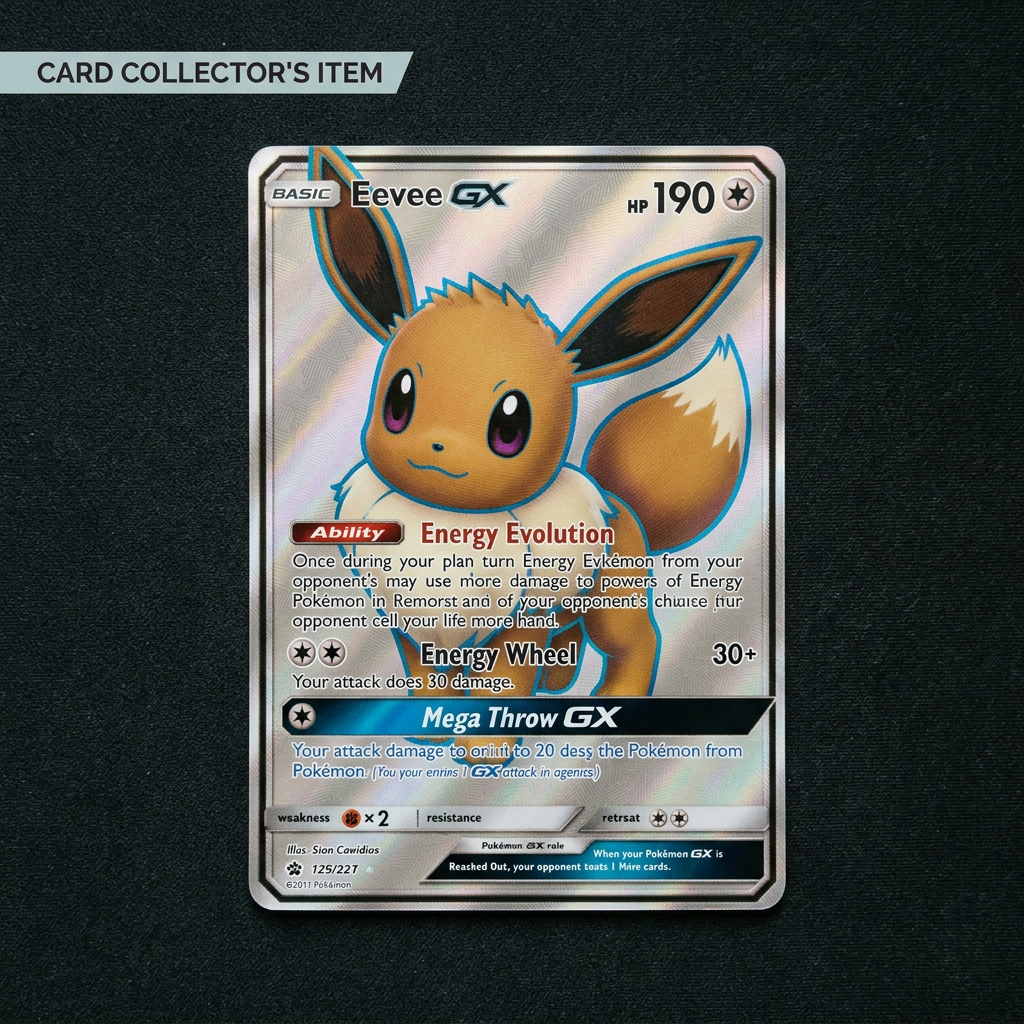
Before you can check any price, you need to know exactly what you’re holding. Look for:
- The card’s full name, including any variant (ex, V, VMAX, etc.)
- The set symbol, usually in the bottom corner
- The collector number, formatted like
25/102— the same Pokemon can appear in dozens of different sets, and each printing has a different value
Getting the set and number right matters more than most people expect. A common misidentification — mixing up a base card with a special illustration rare version — can throw your price estimate off by a huge margin.
Step 2: Understand What Actually Drives Value
A card’s price isn’t random. A few factors consistently matter most:
- Rarity and print run — Common, Rare, Ultra Rare, and Secret Rare tiers exist for a reason, though rarity alone doesn’t guarantee high value if demand is weak
- Condition — creases, whitening on the edges, and surface scratches all lower value significantly, even on genuinely rare cards
- Grading — a professionally graded PSA 10 can be worth several times more than the same card ungraded, because grading removes uncertainty about condition
- Demand and hype — newly released chase cards can spike in price right after launch, then settle once supply catches up
Step 3: Assess Condition Honestly
Before pricing anything, take an honest look at the card under good light:
- Corners — soft or slightly rounded corners lower value more than most collectors realize
- Surface — scratches, print lines, or whitening along the edges
- Centering — how evenly the image sits within the border
If you’re unsure how a card would grade, compare it side by side with grading company standards (PSA and BGS both publish condition guides) before assuming it’s in mint condition.
Step 4: Use the Right Tools to Check Pokemon Card Value
Don’t rely on a single source — experienced collectors always cross-reference at least two:
- TCGPlayer — use the “Market Price” figure rather than individual listing prices, since it reflects actual recent transactions
- eBay (Sold Listings) — filter specifically for sold items, not active listings, to see what buyers actually paid rather than what sellers are hoping for
- PriceCharting — useful for tracking historical price trends over time, not just a single snapshot
- Cardmarket — the go-to for European collectors, showing real transaction data similar to TCGPlayer
- Dedicated price-checker sites and scanner apps — several free tools now track tens of thousands of cards with live raw and graded pricing, updated daily from marketplace data, which is a fast way to get a starting estimate before digging deeper
Cross-referencing two or three of these will almost always give you a far more accurate number than trusting any single listing.
Step 5: Know When Grading Is Worth It
Grading costs money and takes time, so it only makes sense for cards where the value gap between raw and graded is large enough to justify it. As a rough rule: if a card’s raw value is already low, grading fees can easily exceed what you’d gain. For genuinely rare or valuable finds, though, a PSA 10 can be worth dramatically more than an ungraded copy — sometimes multiples of the raw price.
Common Mistakes to Avoid
- Pricing based on one listing instead of sold data — active listings show what sellers hope for, not reality
- Assuming near-mint condition without actually checking corners and surface under good light
- Confusing similar cards from different sets or print runs
- Ignoring grading population data — a card might look rare, but if thousands of copies exist in PSA 10, that affects price more than raw scarcity
Final Thoughts
Checking Pokemon card value properly takes a few extra minutes compared to a quick guess, but it’s the difference between an accurate number and a wildly wrong one. Identify the card correctly, judge condition honestly, and always cross-reference at least two pricing sources before trusting a figure.
Curious what the record-breaking cards in this hobby actually sold for? Check our breakdown of the most expensive Pokemon cards ever sold. And once you know what you’ve got, make sure it’s properly protected — see our guide to the best Pokemon TCG sleeves and deck boxes.